Identity Theft Is Surging in 2026: Why Protecting Your Personal Information Has Never Been More Important
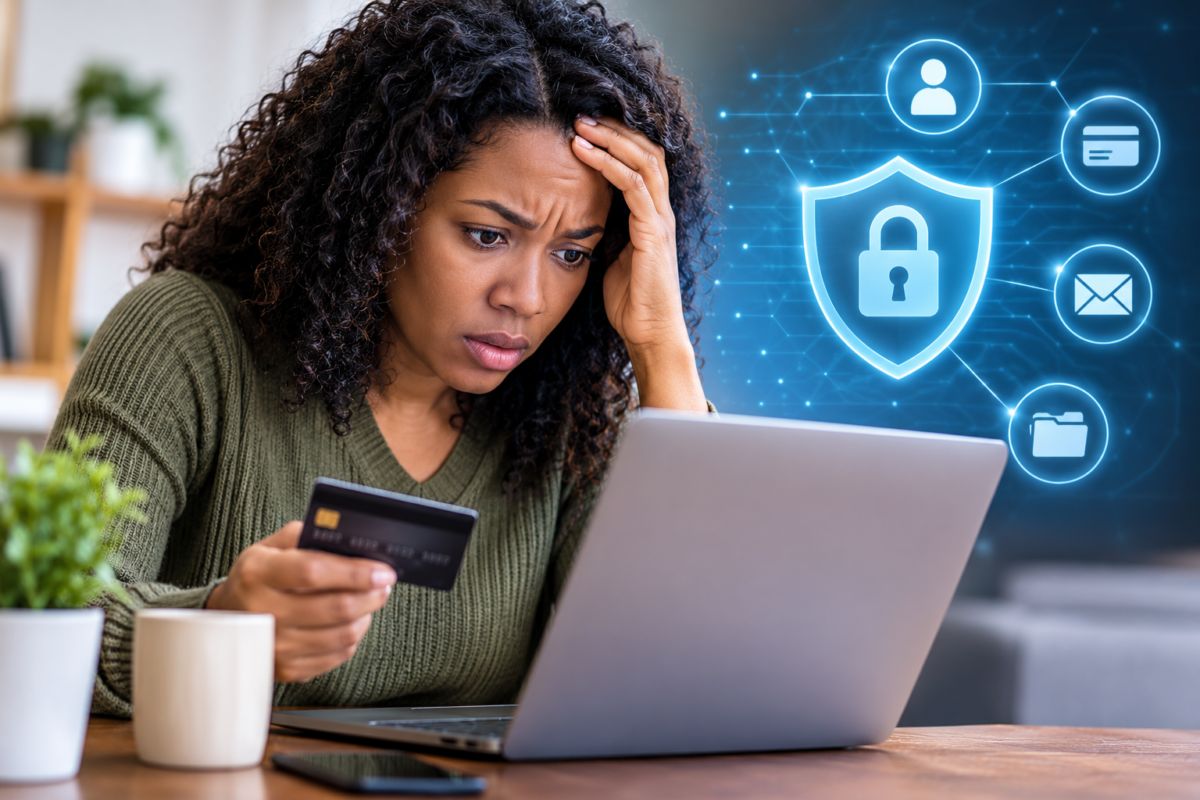
Identity theft is becoming an increasingly serious threat to consumers, and the numbers emerging in 2026 are cause for concern. With identity theft victims already surpassing the total reported in all of 2025, this year is shaping up to be one of the most troubling periods for identity-related crime.
According to the Identity Theft Resource Center (ITRC), approximately 471.2 million victims were reported during the first six months of 2026. That’s a staggering 58% increase over the 297.5 million victims reported throughout all of 2025.
Data breaches are also continuing to climb. During the first half of 2026, there were 1,803 reported data breach incidents, representing a 4.1% increase compared with the 1,732 incidents reported during the same period in 2025.
For consumers, these statistics represent more than just numbers. Every data breach creates another opportunity for criminals to obtain personal information that can potentially be used to open fraudulent accounts, access financial records, steal identities, or damage someone’s credit.
Which Industries Are Being Targeted?
Some industries remain particularly attractive targets for cybercriminals because of the enormous amounts of sensitive consumer information they maintain.
During the first six months of 2026, the three industries experiencing the highest number of reported data-theft incidents included:
- Financial services: 387 incidents, compared with 396 during the first half of 2025.
- Healthcare: 281 incidents, compared with 270 during the same period in 2025.
- Professional services: 269 incidents, up from 248 during the first half of 2025.
Although financial services experienced a slight decrease, the overall numbers demonstrate that sensitive consumer information remains vulnerable across multiple industries.
Financial institutions, healthcare providers, and professional service companies routinely collect information such as Social Security numbers, financial account details, addresses, and other identifying information. When that information falls into the wrong hands, consumers can face serious financial and personal consequences.
Why Identity Theft May Become an Even Bigger Problem
Several developments are contributing to the growing identity theft problem in 2026.
One particularly troubling trend involves insider threats. The ITRC reported 21 data breach incidents involving insider wrongdoing during the first half of 2026. That’s a dramatic increase compared with just three such incidents reported throughout all of 2025.
Insider threats can be especially dangerous because they involve individuals who may already have authorized access to sensitive information. This can make fraudulent activity more difficult to detect and allow criminals to obtain valuable consumer data without triggering traditional security protections.
Another concerning development is the growing number of large-scale data breaches.
Two significant incidents involving Canvas and Under Armour reportedly exposed information affecting approximately 275 million and 72.7 million individuals, respectively. Together, these incidents account for more victim notices than were reported throughout all of 2025.
Cybercriminals are also taking advantage of software vulnerabilities before companies have an opportunity to identify and correct them. These attacks, commonly known as zero-day attacks, are becoming another significant concern. There were 14 reported incidents during the first half of 2026, approaching the 17 reported throughout the entire previous year.
The message is clear: Identity thieves are constantly finding new ways to access personal information, and even organizations with substantial security resources are not immune.
Consumers Are Being Left in the Dark About Data Breaches
One of the most concerning aspects of the current identity theft crisis is that consumers may not be receiving enough information about how their personal information was compromised.
According to the ITRC, only 24% of data breach notifications during the first half of 2026 identified the specific method used in the attack. This represents the lowest disclosure rate the organization has recorded. By comparison, nearly all breach notifications in 2020 identified the underlying cause.
When companies fail to explain how a breach occurred, consumers are left with limited information about what happened and what steps they should take to protect themselves.
Without knowing whether Social Security numbers, financial account information, passwords, or other sensitive details were exposed, it becomes much harder to assess the potential damage.
This lack of transparency makes proactive identity protection even more important. Consumers cannot always prevent their information from being exposed, but they can take steps to monitor their financial information and recognize suspicious activity before it creates more serious problems.
Why Credit Monitoring and Identity Protection Matter
A stolen identity can create problems that extend far beyond unauthorized purchases. Criminals may use stolen personal information to apply for credit cards, open loans, establish fraudulent accounts, or gain access to existing financial accounts.
In some cases, consumers may not discover the damage until they review their credit reports or receive collection notices for accounts they never opened.
That is why regularly monitoring your credit and personal information is so important.
At Credit Armor, we believe consumers should have access to tools that help them stay informed and take action when potential threats arise. Waiting until identity theft has already damaged your finances can make an already stressful situation much more difficult to resolve.
Credit Armor offers several features designed to help consumers take a more proactive approach to protecting their personal and financial information:
- Credit Monitoring Alerts: Stay informed about changes and activity appearing on your credit profile that may require your attention.
- Privacy Master: Help protect your personal information by identifying and addressing exposed personal data through personal data removal services.
- Fraud Insurance: Gain an additional layer of financial protection with coverage designed to help with certain expenses associated with identity theft, subject to policy terms and limitations.
- Transaction Monitoring: Keep an eye on financial transactions and potential suspicious activity.
- Money Manager: Access financial management tools that can help you stay organized and maintain greater awareness of your finances.
These tools work together to help consumers become more aware of potential threats and better equipped to respond when something doesn’t look right.
What Can You Do to Protect Yourself?
Although no service can guarantee complete protection against identity theft, there are several practical steps consumers can take to reduce their exposure.
- Monitor your credit reports. Regularly review your credit information for unfamiliar accounts, unexpected inquiries, or other suspicious activity.
- Pay attention to account alerts. Notifications about new accounts, credit inquiries, or unusual financial activity can help you recognize potential problems sooner.
- Protect your personal information. Be cautious about sharing your Social Security number, financial information, and other sensitive details online or over the phone.
- Use strong passwords and two-factor authentication. These additional security measures can make it more difficult for criminals to access your accounts.
- Be cautious of unexpected communications. Phishing emails, fraudulent text messages, and phone calls impersonating legitimate businesses are common ways criminals attempt to steal personal information.
- Consider freezing your credit. A security freeze can make it more difficult for someone to open new credit accounts in your name without your authorization.
- Use identity protection tools. Credit monitoring, privacy protection, and transaction monitoring can help you stay informed about activity that could indicate a problem.
Don’t Wait Until Identity Theft Affects Your Credit
The identity theft numbers reported during the first half of 2026 are a reminder that personal information is a valuable target for criminals. With data breaches continuing across multiple industries and increasingly sophisticated methods being used to obtain consumer information, protecting your identity should be an ongoing priority.
Unfortunately, you cannot control whether a company holding your personal information experiences a data breach. You can, however, take steps to monitor your credit, safeguard your personal information, and recognize warning signs that something may be wrong.
Credit Armor makes it easier to take a proactive approach to protecting your financial identity. With credit monitoring alerts, Privacy Master, fraud insurance, transaction monitoring, and Money Manager tools, you can take greater control of your financial awareness and put additional safeguards in place.
Don’t wait until someone else’s actions affect your credit and financial future. Take steps today to protect what matters most.